
New memorial tree unveiled at Arrowe Park Hospital in tribute to organ donors

A new memorial honouring organ donors and their families has been unveiled at Arrowe Park Hospital to mark the start of Organ Donation Week.
The Organ Donation Memorial Tree, titled The Gift, was officially unveiled on Monday 21 September, providing a permanent place at the hospital to remember those who have given the gift of organ donation.
Created by Wirral artist Emma Rodgers, the striking metal sculpture takes the form of an oak tree.
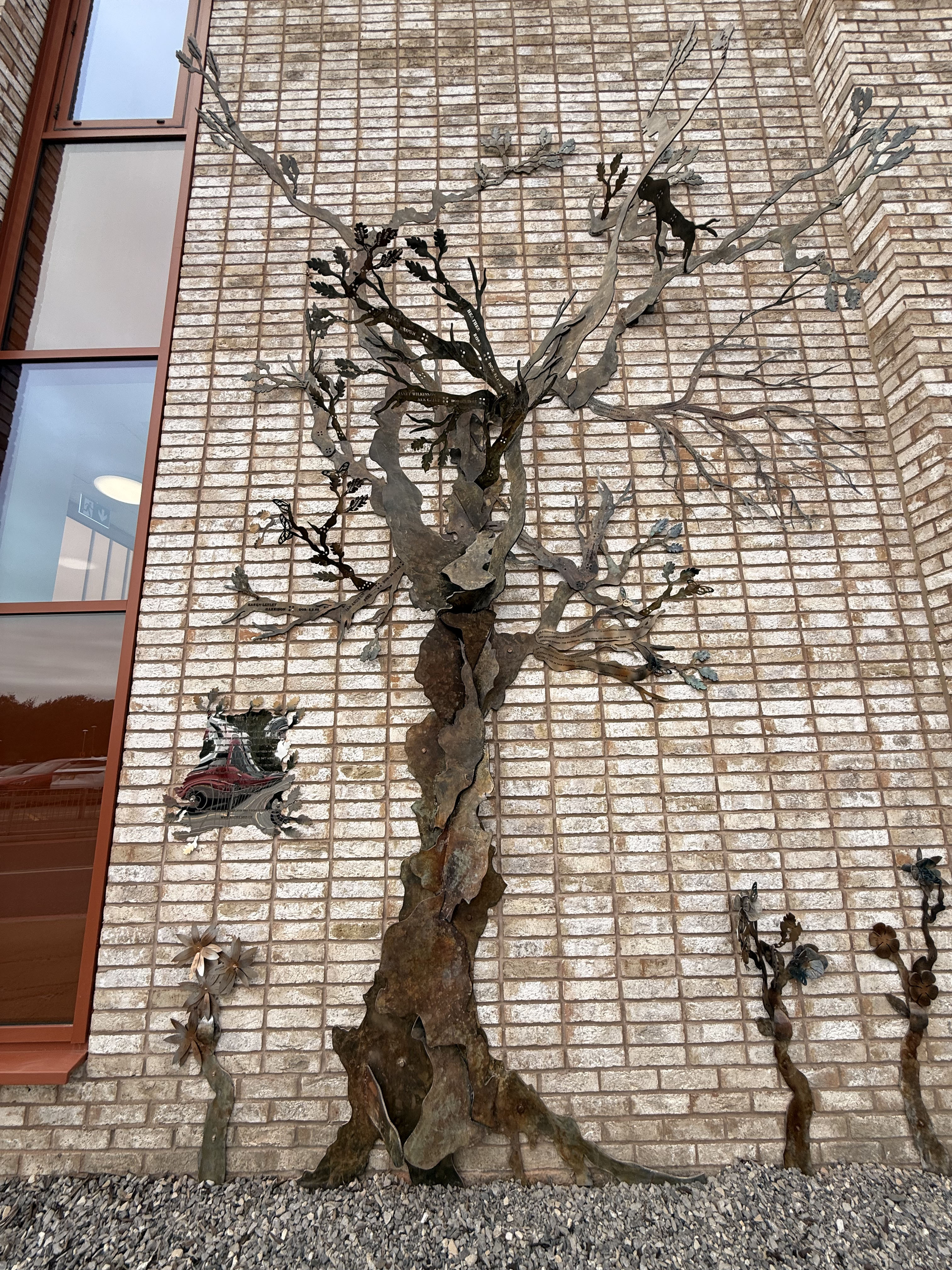
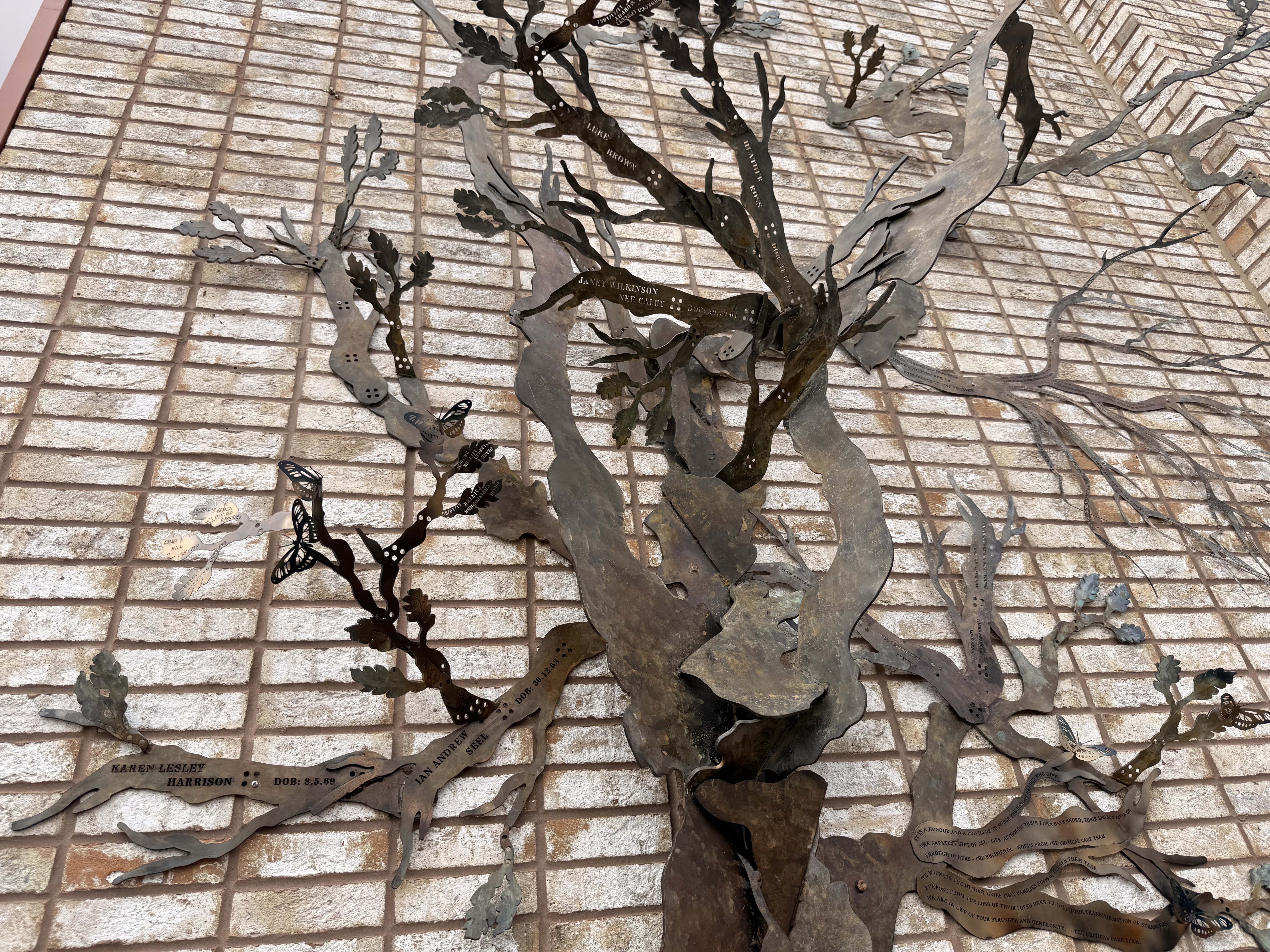
The tree features individual metal leaves carrying the names of those remembered through the memorial, with further names able to be added in the years ahead, allowing The Gift to continue to grow as a lasting tribute to organ donors and their families.
Donor families joined colleagues from Wirral University Teaching Hospital (WUTH), members of the Organ Donation Committee and invited guests for the unveiling.
Among those attending was Joanne Caswell, 55, from Bromborough, whose husband Karl became an organ donor after his death in 2010.
Karl died at Arrowe Park Hospital aged 46 after suffering a brain haemorrhage. He went on to donate multiple organs and tissues, including his kidneys, liver, pancreas, eyes and heart valves, helping people across the country.
One recipient who received Karl’s kidney and pancreas was able to come off dialysis, while another recipient who received his other kidney and part of his liver was able to return to an active life with his family. His heart valves were also donated to babies.
Joanne, who is now a member of WUTH’s Organ Donation Committee, said: “Organ donation is one of the most selfless things a person can do. It creates a ripple effect, it gives someone their life back, and it brings hope to their families, their friends and everyone around them.
“Karl didn’t just die, he gave life.”
Joanne and Karl had spoken about organ donation before his death, something Joanne continues to encourage other families to do.
She added: “People are often unsure about what organ donation involves. Some think they’re too old to donate, or not healthy enough, or that previous illnesses rule them out, but that’s not always true.
“It’s so important that people understand that, and talk to their families about their wishes.”
Janelle Holmes, Chief Executive at Wirral University Teaching Hospital, said: “This beautiful memorial gives us a permanent place at Arrowe Park Hospital to remember and reflect on those who have given others the gift of life, as well as those who wished to donate but were unable to.
“Behind every name on the tree is a person, a family and a story. I hope this memorial provides a meaningful place for families to visit, while also reminding everyone who sees it of the difference organ donation can make.
“I’d like to thank Emma Rodgers, our Organ Donation Committee and everyone who has helped make this memorial possible.”
Emma’s other work can be seen across the Liverpool City Region, including the Cilla Black statue on Mathew Street in Liverpool and the Liver Bird sculpture on Edge Lane.
Emma said: “The Gift is a sculpture of an oak tree created as a symbol of the lasting legacy of those who have given the greatest gift of all: life.
“Throughout its life, a tree gives quietly, offering strength, shelter and hope. Even as one season ends, new life continues to grow.
“It is my hope that this becomes a place of both remembrance and hope. As new names are added in the years ahead, may it stand as a lasting tribute to those who gave so selflessly, and inspire future generations to consider the extraordinary difference that organ donation can make.”
The memorial carries the words “Life beyond life. One gift, many lives” and includes a dedication to those remembered on the tree.
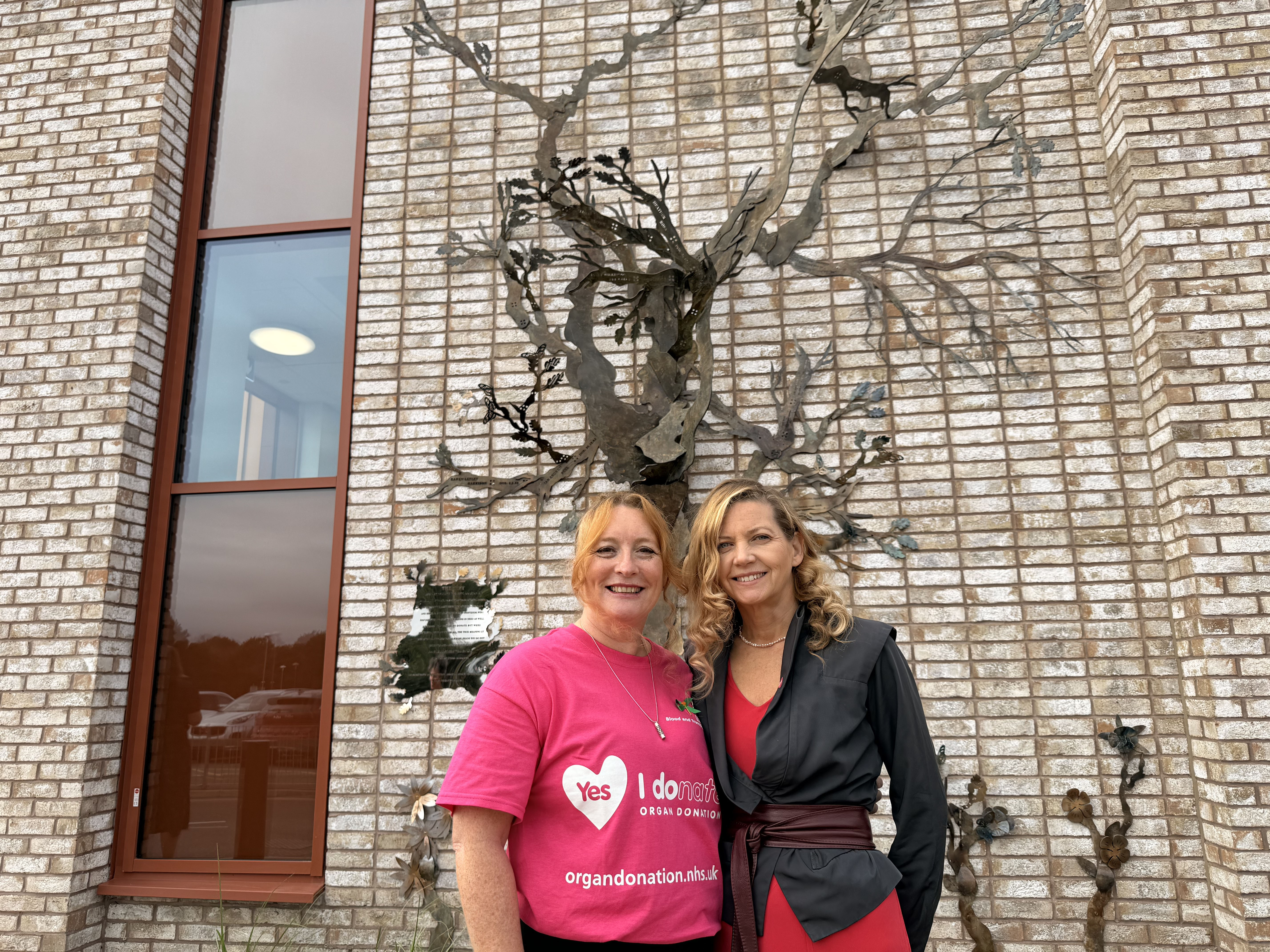
The unveiling took place on the first day of Organ Donation Week, which raises awareness of organ donation and encourages people to record their decision and discuss their wishes with their loved ones.
In England, organ donation operates under an opt out system, but people are still encouraged to record their decision on the NHS Organ Donor Register and, importantly, talk about it with their loved ones.
If organ donation is a possibility after someone dies, a specialist nurse checks the Register and speaks with their family about their decision. Anyone can record a decision, and there is no age limit for joining the Register.
Medical specialists decide at the time whether organs or tissue are suitable for donation.
Recording a decision online takes around two minutes and can help families understand and support their loved one’s wishes.
Visit the NHS Organ Donation website to register or find out more.